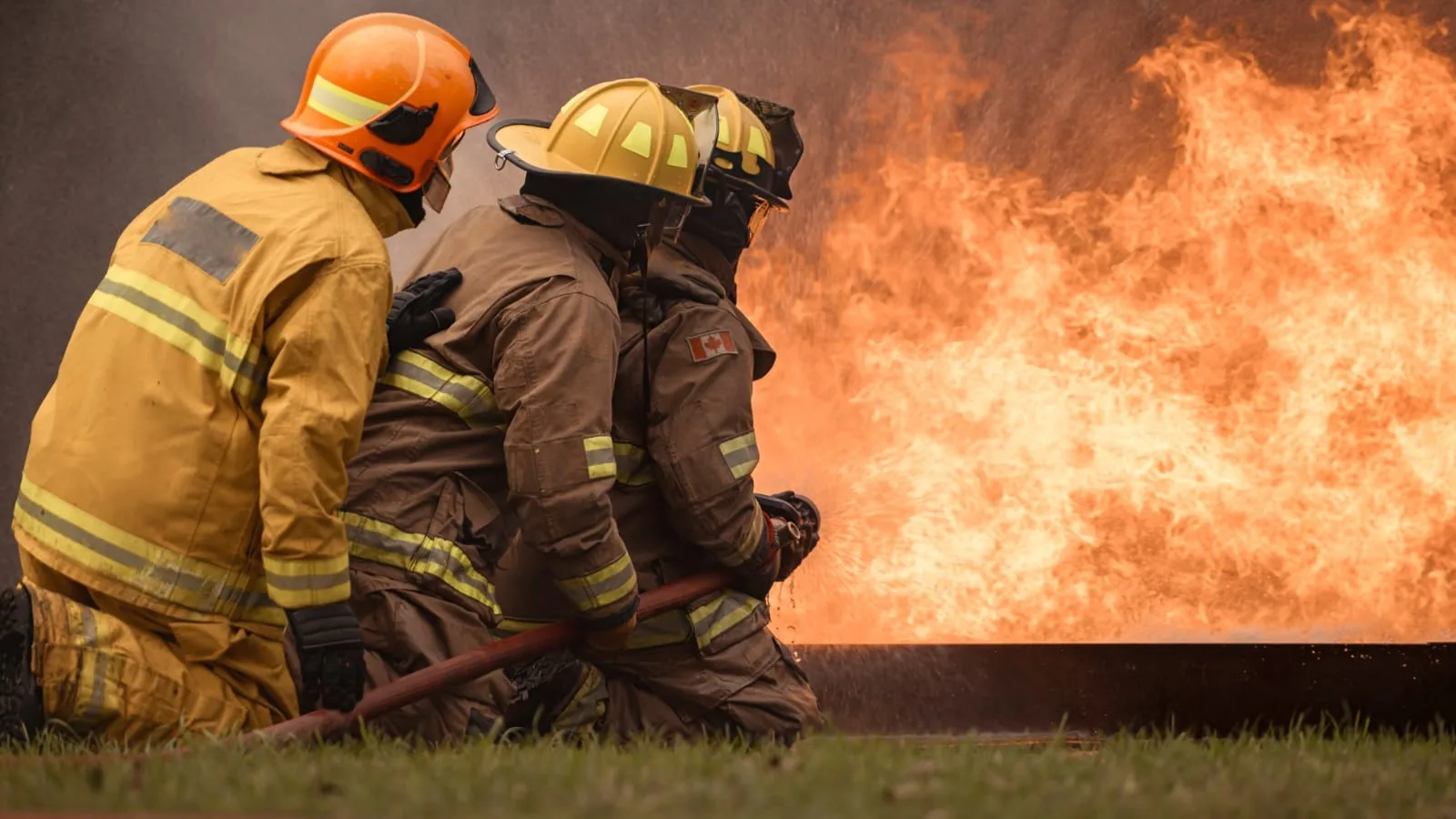
Integrated testing can sound highly technical, but for building teams, the core idea is simple: life safety systems must function together properly during an emergency. A building may have strong individual systems, but that does not guarantee coordinated performance when it matters most.
Why it matters
Fire alarms, smoke control, sprinklers, emergency power, and related systems often interact. Integrated testing helps verify that those linked responses occur in the right sequence. For building operators and property teams, that means greater confidence that:
- signals are sent correctly
- dependent systems respond as expected
- deficiencies are identified earlier
- documentation is available for review and compliance support
It is a coordination exercise too
Integrated testing is not only about equipment. It also involves coordination between stakeholders, including:
- consultants
- testing personnel
- building operations teams
- contractors
- authorities with oversight roles
Without clear coordination, testing can become fragmented and less useful.
Common preparation steps
Before testing begins, building teams should typically prepare:
- current system documentation
- updated contact lists
- access to relevant spaces and panels
- records of past deficiencies or corrective work
- a clear understanding of the testing scope
Better outcomes through planning
The best integrated testing process is structured, documented, and collaborative. When building teams understand the goal and prepare well, testing becomes more than a compliance task. It becomes a practical tool for risk reduction and operational confidence.